


Top 10 Blast Resistant Modules Manufacturers in Saudi Arabia in 2026
 Jun 12, 2026|
 View:451
Introduction
Saudi Arabia is one of the world's largest oil and gas markets, with continuous investments in upstream production facilities, refineries, petrochemical complexes, gas processing plants, and offshore developments. As safety regulations become increasingly stringent, blast resistant modules have become essential for protecting personnel, critical equipment, and operational continuity in hazardous environments.
Whether deployed as blast resistant control rooms, electrical substations, analyzer shelters, emergency refuge modules, or pressurized cabins, these engineered structures are designed to withstand explosion overpressure, fire hazards, and harsh environmental conditions commonly found across Middle East oil and gas facilities.
However, selecting the right blast resistant module manufacturer involves much more than comparing prices. EPC contractors, oil and gas operators, project procurement teams, and industrial facility owners must evaluate engineering capabilities, blast design expertise, international certifications, manufacturing quality, delivery schedules, and long-term support services.
In this guide, we review the top blast resistant module manufacturers in Saudi Arabia and provide practical procurement insights covering technical specifications, certification requirements, quality control procedures, FAT/SAT testing, supplier evaluation criteria, and common procurement risks. Whether you are sourcing for a refinery expansion, FPSO project, offshore platform, drilling rig, or petrochemical facility, this article will help you identify reliable suppliers and make informed purchasing decisions.
Why Blast Resistant Modules Are Critical for Saudi Arabia's Oil and Gas Industry
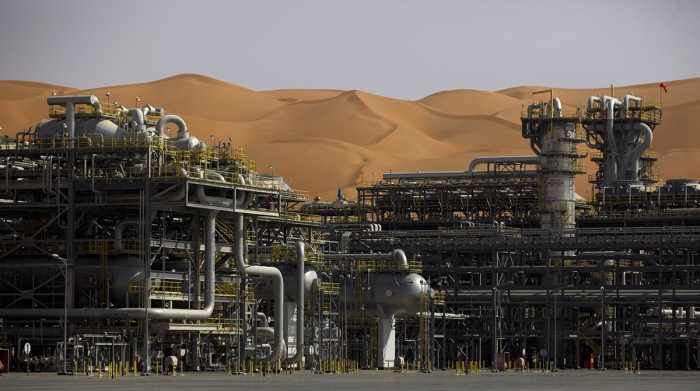
Saudi Arabia operates some of the world's largest oil and gas production, refining, petrochemical, and processing facilities. These facilities frequently contain hazardous zones where hydrocarbon leaks, gas explosions, flash fires, and overpressure events may occur.
As a result, blast resistant modules have become essential infrastructure for protecting personnel, critical equipment, control systems, and emergency response teams.
Rising Demand for Blast Resistant Buildings in Hazardous Areas
Saudi Arabia's continuous investments in refining, petrochemicals, gas processing, and offshore developments have increased demand for:
● Blast resistant control rooms
● Blast resistant substations
● Analyzer shelters
● Electrical equipment rooms
● Pressurized operator cabins
● Emergency refuge modules
● Offshore accommodation modules
Applications Across Upstream, Midstream, and Downstream Facilities
Blast resistant modules are widely used in:
● Oil production fields
● Gas gathering stations
● LNG terminals
● Refineries
● Petrochemical plants
● FPSOs
● Offshore platforms
● Drilling rigs
● Pipeline compressor stations
Regulatory and Safety Requirements in Saudi Arabia
Major operators often require compliance with:
● API RP 752
● API RP 753
● NFPA standards
● IECEx certification
● ATEX certification
● ISO 9001 quality management systems
● Saudi Aramco engineering standards
What Is a Blast Resistant Module?
Definition and Core Functions
A blast resistant module is a prefabricated steel structure specifically engineered to withstand explosion overpressure and dynamic blast loading while maintaining structural integrity and protecting personnel inside.
These modules are commonly delivered as turnkey units incorporating:
● Structural steel enclosure
● HVAC systems
● Electrical distribution
● Fire and gas systems
● Pressurization systems
● Communication systems
● Control equipment
Typical Module Types
Common configurations include:
● Blast resistant control rooms
● Blast resistant electrical rooms
● MCC modules
● Instrument shelters
● Laboratory modules
● Workshop containers
● Accommodation modules
● Emergency refuge shelters
Blast Resistance Ratings and Design Standards
● API RP 752 and API RP 753
● ISO and International Structural Standards
● ATEX and IECEx Requirements for Hazardous Areas
How to Evaluate Blast Resistant Module Manufacturers
Engineering and Structural Design Capability
Suppliers should provide:
● Structural calculations
● Blast simulation reports
● Finite Element Analysis (FEA)
● Dynamic response studies
Manufacturing Capacity and Fabrication Facilities
Buyers should assess:
● Annual production capacity
● Workshop size
● Steel fabrication capability
● Automated welding systems
● Surface treatment facilities
Certification and Quality Management Systems
Key certifications include:
● ISO 9001
● ASME certifications where applicable
● DNV-related project experience
Offshore and Onshore Project Experience
Experienced suppliers typically have completed projects for:
● FPSOs
● Offshore platforms
● Refineries
● LNG terminals
● Chemical plants
FAT, SAT, and Third-Party Inspection Support
Reliable manufacturers should support:
● Factory Acceptance Testing (FAT)
● Site Acceptance Testing (SAT)
● Client witness inspections
● SGS inspections
● Bureau Veritas inspections
● DNV inspections
Top 10 Blast Resistant Modules Manufacturers in Saudi Arabia
1. Changzhou Magindustry Co., Ltd.
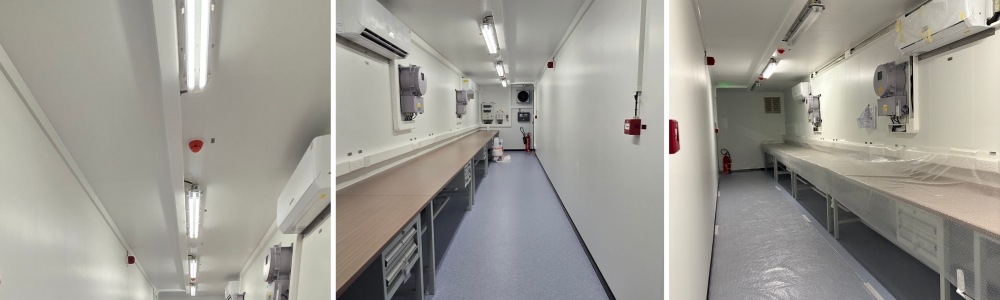
Changzhou Magindustry is an international manufacturer of offshore and onshore modular solutions serving oil and gas operators, EPC contractors, offshore engineering companies, and industrial facility owners worldwide.
Core products include:
●Offshore service modules
●Offshore cargo carrying units (CCU)
●Explosion proof electrical equipment
Key strengths include:
● Custom engineering capability
● DNV and international project experience
● Offshore-grade fabrication
● Global export support
● Third-party inspection coordination
● EPC project procurement support
2. Zamil Offshore Services
Known for offshore and industrial infrastructure projects supporting Saudi energy developments. Provides engineered modular buildings and offshore facility solutions.
3. Saudi Building Systems (SBS)
Offers industrial modular construction and engineered steel structures suitable for process industries.
4. Red Sea Housing Services
One of the region's most recognized modular construction providers with extensive experience in oil and gas accommodation and industrial facilities.
5. Modular Concepts Arabia
Specializes in prefabricated industrial buildings and customized modular facilities for energy projects.
6. Energy Tech Saudi
Provides engineered solutions for hazardous area facilities and process industry applications.
7. Rezayat Group Industrial Division
Supports industrial and oilfield infrastructure projects with modular engineering capabilities.
8. Saudi Dutest Industrial Solutions
Offers industrial facility solutions and support services for critical energy infrastructure.
9. Arabian Bemco Modular Solutions
Provides modular building systems for industrial and utility applications.
10. Al-Kifah Modular Construction
Delivers prefabricated construction solutions serving large-scale industrial developments.
Common Applications of Blast Resistant Modules
Oil and Gas Processing Facilities
Protect critical personnel and control systems near process equipment.
Refineries and Petrochemical Plants
Used for control rooms, substations, and emergency response facilities.
Offshore Platforms and FPSOs
Provide safe operational environments in offshore production facilities.
Drilling Rigs and Wellhead Facilities
Protect crews operating near high-risk drilling equipment.
Chemical Storage and Processing Sites
Reduce risks associated with combustible materials and hazardous chemicals.
Procurement Considerations for EPC Contractors and Operators
Custom Engineering Requirements
Most projects require customization based on:
● Blast loading
● Equipment layout
● Site conditions
● Hazardous area classification
Lead Time and Production Planning
Logistics and Transportation Challenges
Buyers should evaluate:
● Transport dimensions
● Port restrictions
● Lifting arrangements
● Export packaging
Framework Agreements and Long-Term Supply Contracts
Long-term agreements often provide:
● Price stability
● Shorter lead times
● Standardized specifications
● Reduced procurement risk
Common Procurement Mistakes and Risks
Selecting Suppliers Based Only on Price
Low-cost suppliers may lack engineering capability or certification support.
Ignoring Certification Requirements
Certification gaps can cause project delays and approval issues.
Underestimating Logistics Constraints
Oversized modules often require special transportation permits and route studies.
Inadequate Factory Audits
Failure to audit fabrication facilities can result in quality issues.
Missing FAT and SAT Requirements
Insufficient testing may create costly commissioning problems.
Frequently Asked Questions
What blast pressure rating should I specify?
The required rating depends on hazard studies, QRA results, and project specifications. Common ratings range from 0.2 to 1.0 bar or higher.
Are blast resistant modules suitable for offshore platforms?
Yes. Many offshore platforms, FPSOs, and drilling rigs utilize blast resistant modules designed for marine environments.
Can modules be supplied with ATEX or IECEx certified equipment?
Yes. Most industrial projects require ATEX certified or IECEx certified electrical components for hazardous areas.
What certifications should I request from suppliers?
Common requirements include ISO 9001, ATEX, IECEx, DNV-related approvals, and project-specific operator standards.
Is FAT mandatory before shipment?
For most EPC and operator projects, FAT is strongly recommended and often contractually required.
Can blast resistant modules be fully customized?
Yes. Modules can be engineered for specific blast loads, layouts, HVAC systems, electrical systems, and operational requirements.
How can I verify supplier quality?
Conduct factory audits, review certifications, inspect previous project references, and require third-party inspection during production.
Conclusion
Saudi Arabia continues to invest heavily in oil and gas infrastructure, petrochemical expansion, and industrial development, making blast resistant modules a critical component of modern hazardous area facilities.
Selecting the right manufacturer requires more than comparing prices. Buyers should carefully evaluate engineering capability, certification compliance, fabrication quality, project experience, testing procedures, and long-term support capabilities.
For EPC contractors, operators, industrial importers, and project procurement teams seeking blast resistant modules, offshore service modules, pressurized cabins, DNV certified containers, explosion proof electrical equipment, or other offshore/onshore industrial solutions, Changzhou Magindustry offers custom-engineered solutions designed for demanding energy-sector applications worldwide.
When submitting an inquiry, it is recommended to provide:
● Product type and required specifications
● Project name and application scenario
● Required certifications (DNV, ATEX, IECEx, ASME, etc.)
● Quantity requirements
● Required delivery schedule
● Installation location (offshore or onshore)
● Country and region of operation
● Customization requirements
● FAT and third-party inspection requirements
● Packaging and transportation requirements
● Budget expectations (if available)
Providing complete project information helps accelerate technical evaluation, quotation accuracy, and project execution planning.


